FMB BriefThe daily newsletter from FMB News
The cost of dependence is becoming harder to ignore.
The Philippine economy is slowing while inflation remains high. Abroad, Hormuz is constraining energy flows, AI infrastructure is getting more expensive, and the war in Ukraine is widening its attack on economic targets.
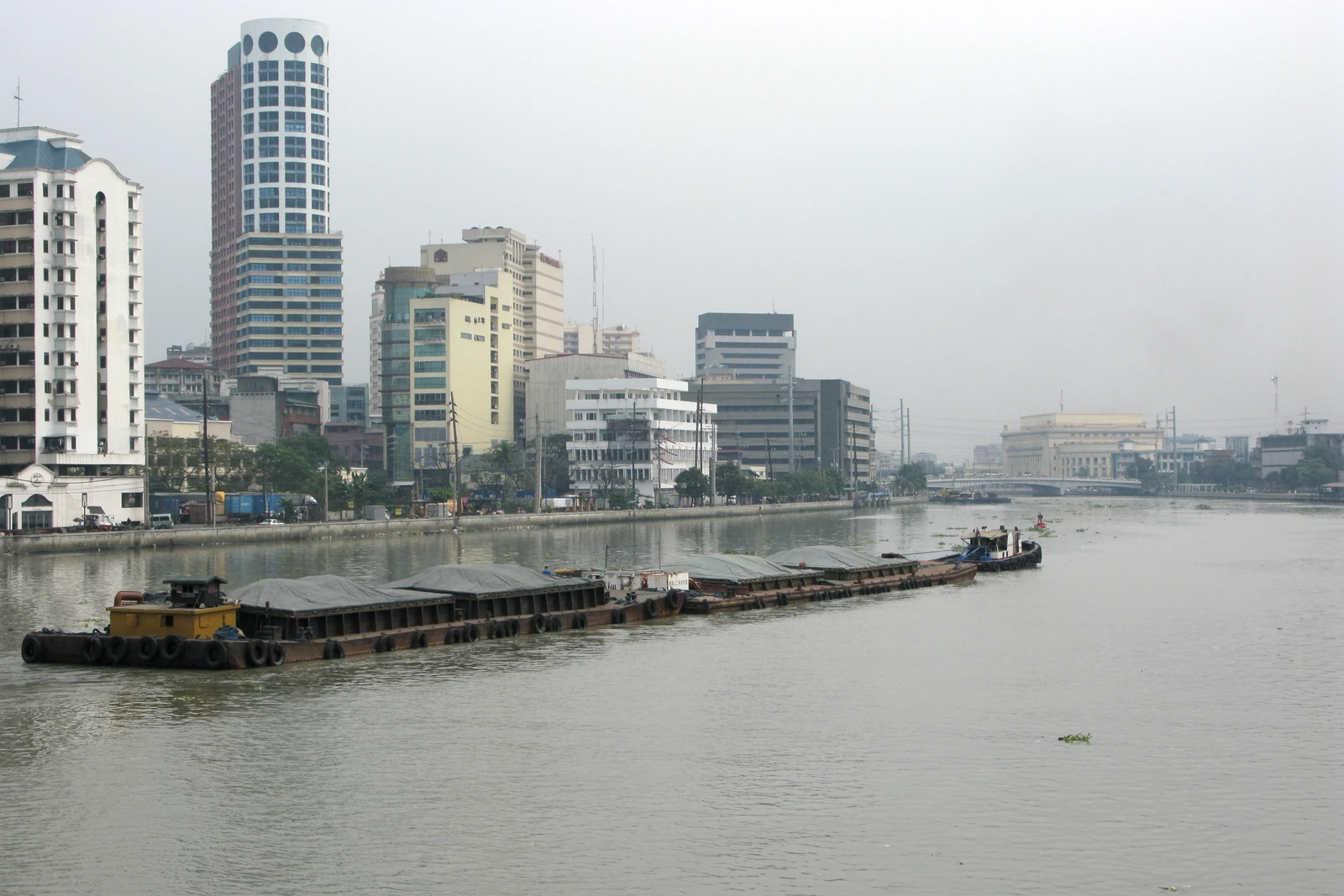
The economy is slowing before inflation has been fully contained.
The Philippine economy grew 2.3% year on year in the second quarter of 2026, according to the Philippine Statistics Authority. Industry contracted 2.4%, gross capital formation fell 9.2%, and household consumption grew 2.8%.
At the same time, headline inflation was 6.2% in July. The pressure is more severe among the bottom 30% of income households, where inflation rose to 8.2%. Bangko Sentral ng Pilipinas Governor Eli Remolona has said inflation should ease gradually, but risks remain tilted upward.

This is a difficult policy combination: weak growth with inflation still above target. The August 27 BSP meeting matters because any tightening protects price stability at the cost of more pressure on demand, while easing too early risks weakening the peso and amplifying imported inflation.
Hormuz is no longer only a geopolitical risk. It is an operating constraint on the global economy.
Iran said on August 22 that it had granted permission for several Iraqi oil tankers to pass through the Strait of Hormuz following diplomatic appeals from Baghdad. The exception illustrates the larger problem: passage through one of the world’s most important energy corridors is no longer routine.
Ship-tracking data reported by Reuters showed only seven commodity vessels transiting the strait on Thursday, far below normal levels. Washington is preparing additional sanctions against Iran, while Tehran has threatened retaliation against countries that cooperate with U.S. pressure.
The Philippines imports much of its energy. Persistent disruption can raise fuel, freight and aviation costs, add pressure to the peso and make inflation harder to control. Oil shocks do not stay inside the energy market.
The AI race is moving from model capability to the price of physical infrastructure.
Reuters reported on August 22, citing Bloomberg News, that Nvidia customers have been told to expect price increases above 15% on some AI-server systems because of rising memory-chip costs. The increases would affect systems using newer Vera Rubin and Grace Blackwell hardware shipped in 2027.
The report follows Alibaba’s disclosure that quarterly net profit fell 75% while it accelerated AI infrastructure spending. Alibaba’s cloud and AI services are growing quickly, but the investment required to support that demand is increasingly visible in earnings and capital expenditure.
The next AI competition is not only about intelligence. It is about memory, power, chips, land, cooling, financing and utilization. Businesses should measure AI against revenue, cost reduction and productivity, not against how fashionable an implementation sounds.
The war is widening into a fight over the systems that finance and feed both sides.
Russian President Vladimir Putin said on August 22 that Ukrainian attacks on Russian economic targets had opened a “Pandora’s box,” warning of retaliation against sensitive sectors of Ukraine’s economy. Ukraine has increased strikes on Russian refineries, warehouses and logistics infrastructure in an effort to constrain Moscow’s war capacity.
The threat follows a deadly Russian strike on a shopping centre in Kryvyi Rih on August 21 that Ukrainian authorities said killed at least 16 people and wounded more than 130. Ukraine has also accused Russia of targeting grain and Black Sea export infrastructure.
Attacks on refineries, ports, grain infrastructure and logistics widen the consequences beyond the battlefield. Energy and food supply chains are now part of the conflict’s economic pressure system, which can transmit price effects into countries with no direct role in the war.
No named storm is required for western Luzon to face real weather risk.
PAGASA’s August 22 regional outlook for Northern Luzon shows cloudy skies with scattered rains and thunderstorms, moderate to strong southwesterly winds and moderate to rough coastal conditions. The southwest monsoon remains the main driver of western Luzon weather.
This matters after weeks of Habagat disruption across Zambales and nearby provinces. Saturated ground, river response and coastal conditions can remain dangerous even when a tropical cyclone is outside the Philippine Area of Responsibility.
Local digital platforms earn trust when they remain useful during bad weather. For Zambales, verified advisories, road conditions, emergency information and business recovery matter more right now than generic tourism promotion.
What FMB should watch
Watch where pressure becomes policy.
August 27 BSP meeting: the central bank has to balance weak growth against persistent inflation and imported energy risk.
Hormuz traffic: selective tanker permissions are not the same as normalization. Watch actual vessel counts and crude prices.
AI hardware pricing: if memory and server costs keep rising, some AI projects will face a much harder return-on-investment test.
Ukraine’s economic targets: refinery, port, grain and logistics attacks could create effects beyond the battlefield.
Zambales weather: follow current PAGASA advisories rather than relying on the absence of a named storm.
Visible source desk
Primary and high-authority sources used
Philippine Statistics Authority: Q2 2026 national accounts and July 2026 inflation. DOST-PAGASA: August 22 regional forecast and flood information. Department of Budget and Management: FY2027 National Expenditure Program. Reuters: BSP outlook, Strait of Hormuz traffic and sanctions, Nvidia pricing report, Alibaba AI spending, and Ukraine war developments.