
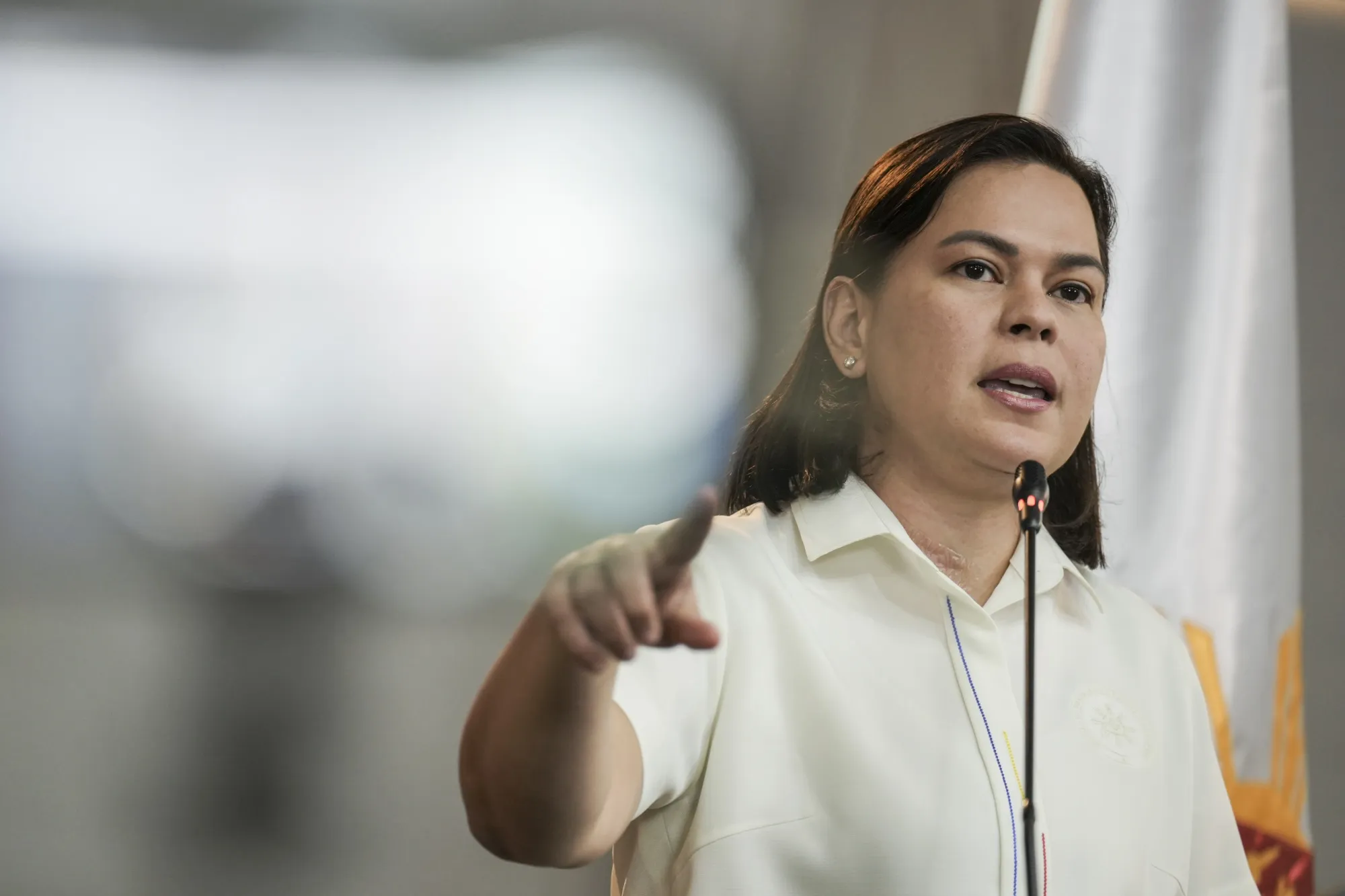
In July 2025, the Supreme Court declared the earlier Articles of Impeachment unconstitutional because of the one-year bar and due-process concerns. The Court also stressed that the ruling did not clear Vice President Sara Duterte of the underlying allegations and that another complaint could be filed after the constitutional period.
New complaints followed in 2026. The House of Representatives voted to impeach Duterte in May, and the Senate opened the trial on 6 July. Reporting on the active trial describes allegations that include misuse of public funds, unexplained wealth, and threats against President Ferdinand Marcos Jr. and others. Duterte denies wrongdoing and has characterized the process as politically motivated.
What impeachment means: the House brings charges, while the Senate sits as an impeachment court and decides whether the evidence supports conviction. Allegations are not the same as proven facts. Conviction requires the constitutional vote of the Senate.
What the trial has reached
The trial entered its evidentiary stage during the first week and continued into a second week. By 15 July, the Senate had held a sixth trial day. Witness testimony, documentary requests, objections, and decisions by senator-judges are part of the record-building process. The most responsible summary at this stage is that the case remains unresolved.
No public official should be treated as above examination, and no accused person should be treated as already convicted.
Why it matters beyond political families
The case tests whether institutions can handle a politically explosive dispute without replacing evidence with loyalty. It also shapes public trust ahead of the 2028 election because a conviction can include disqualification from future public office.
Citizens do not need to suspend political beliefs to ask basic questions. Was public money used lawfully? Is the evidence authentic and complete? Can the defense test it? Are senator-judges following consistent rules? Are claims being reported as claims until proven?
FMB reflection
Our standard should be truth with process.
Accountability without due process can become vengeance. Due process without accountability can become protection for power. The country deserves both. Our view is that no public official should be treated as above examination, and no accused person should be treated as already convicted because a clip is persuasive or a political camp is loud.
For FMB, responsible public communication means slowing down when information can harm a person or divide a country. Read the documents. Watch how evidence is handled. Separate the charge, the defense, and the decision. Democracy is not strengthened by certainty that arrives before the proof.